Home › Solar System › For kids
The Solar System explained simply for kids
Our Solar System is the Sun and everything that orbits it: eight planets, their moons, dwarf planets, comets and millions of lumps of rock and ice. Here we explain it all in simple words, from space to the Moon.
Amazing numbers
- About 1.3 million Earths would fit inside the Sun.
- Light from the Sun takes about 8.3 minutes to reach the Earth.
- Jupiter is the biggest planet. All the other planets together would fit inside it.
- At about 464 °C, Venus is hotter than any oven.
The Sun, the planets and the Moon explained simply
Sun
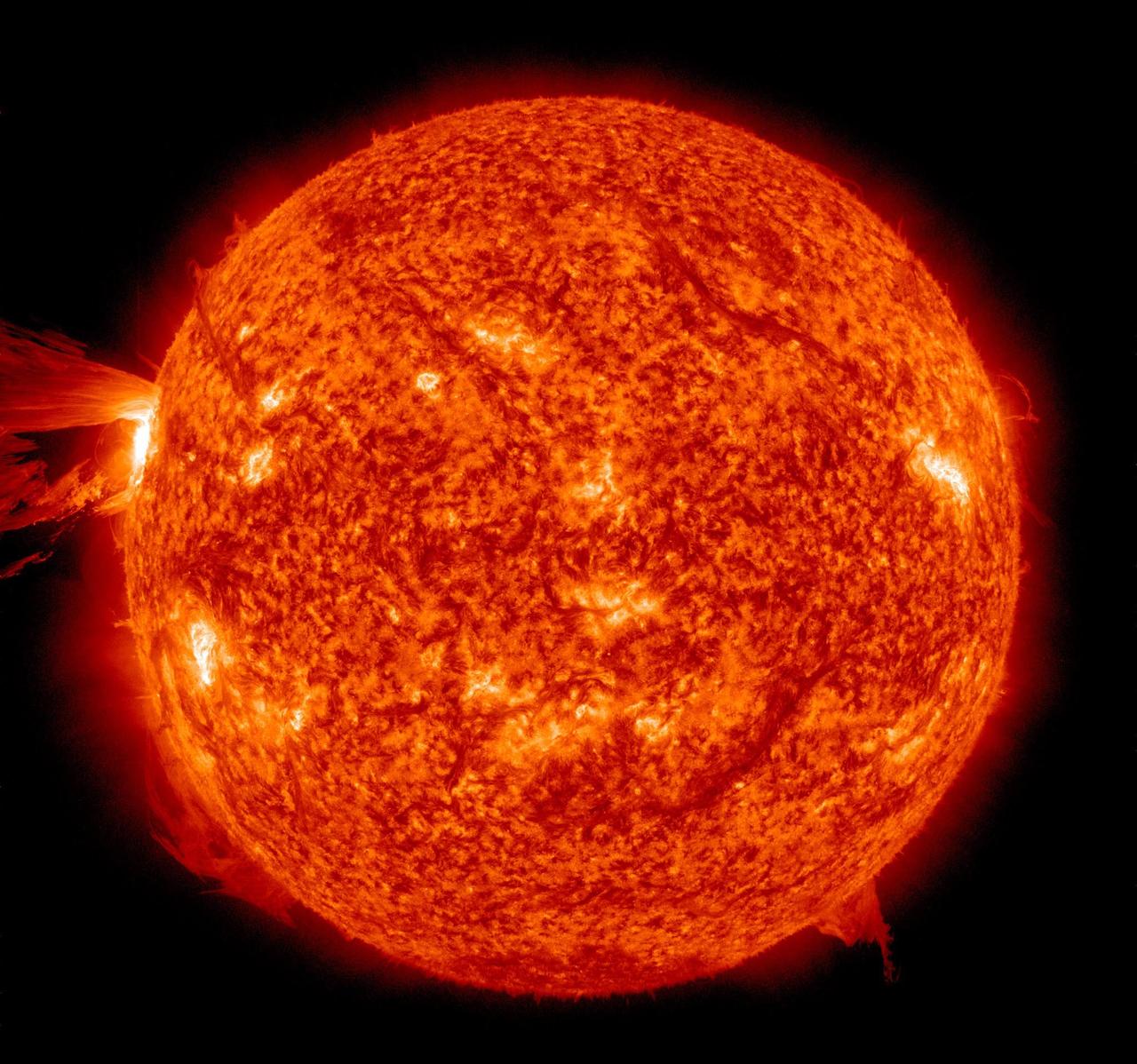
The Sun is a star – a gigantic ball of glowing gas. It is so big that more than a million Earths would fit inside it. Without its light and warmth there would be no life on Earth. Never look straight at it – that damages your eyes!
Mercury
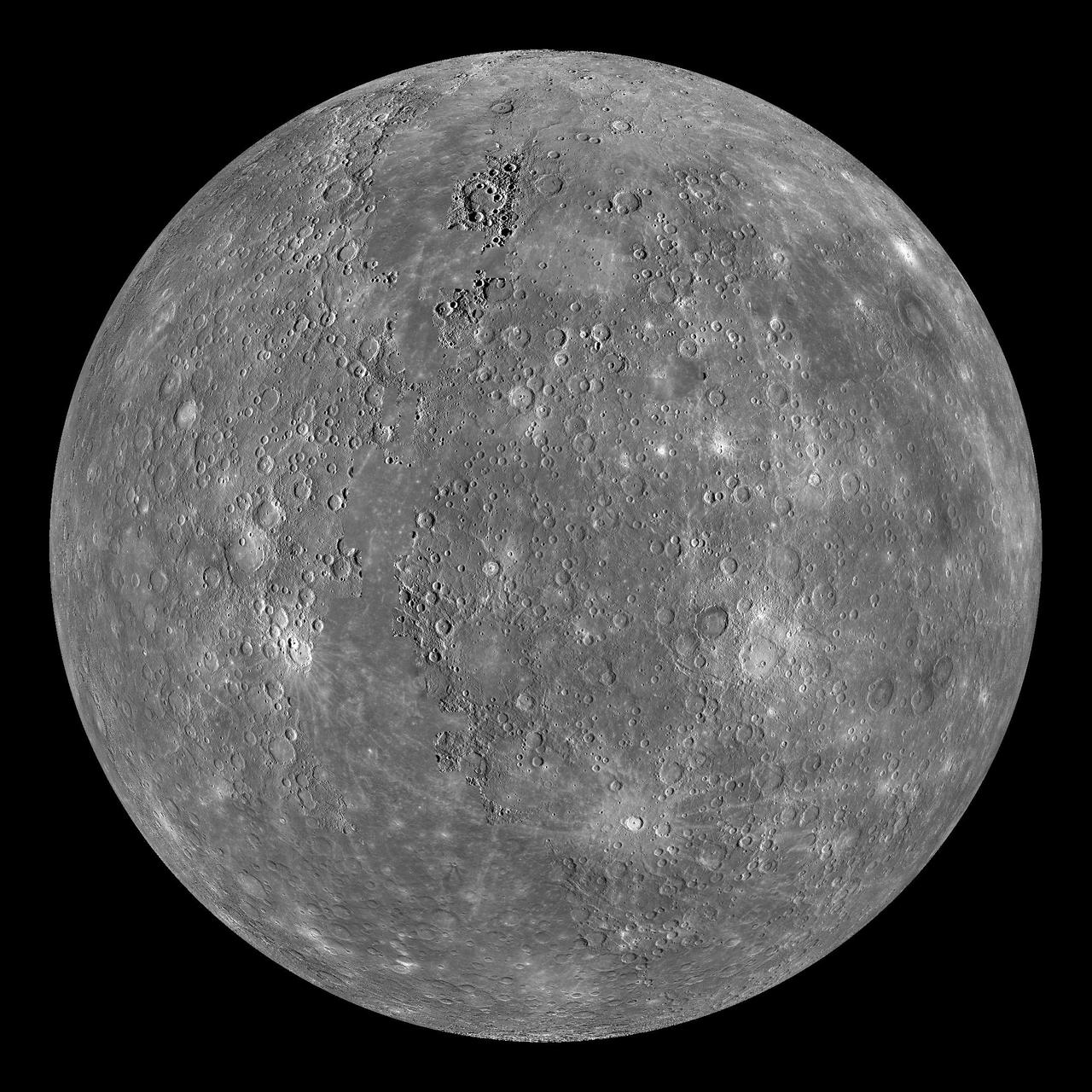
Mercury is the smallest planet and the closest to the Sun. It has no air. That is why it is scorching hot by day and icy cold at night. A year on Mercury lasts only 88 days.
Venus
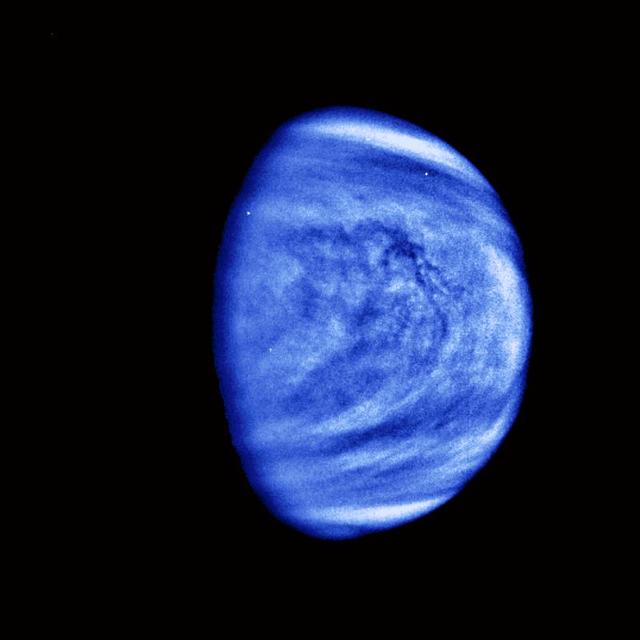
Venus is almost as big as Earth, but nobody would want to live there: thick clouds hold in the heat like a blanket – it is hotter than inside an oven. In the sky we see it as the bright “Evening Star”.
Earth
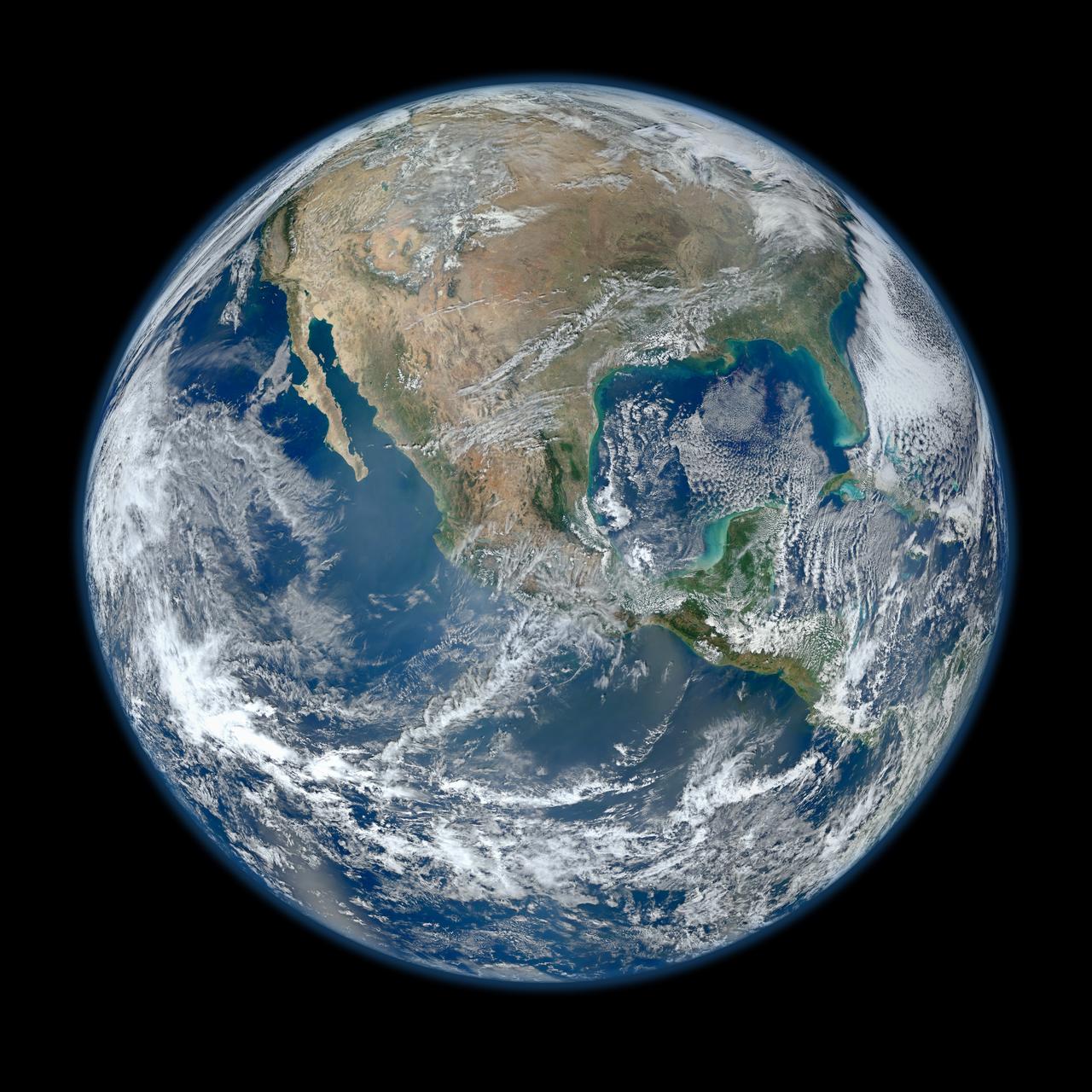
Earth is our home. It is the only planet where we know there is life. It is at just the right distance from the Sun: not too hot and not too cold – so there is liquid water.
Mars
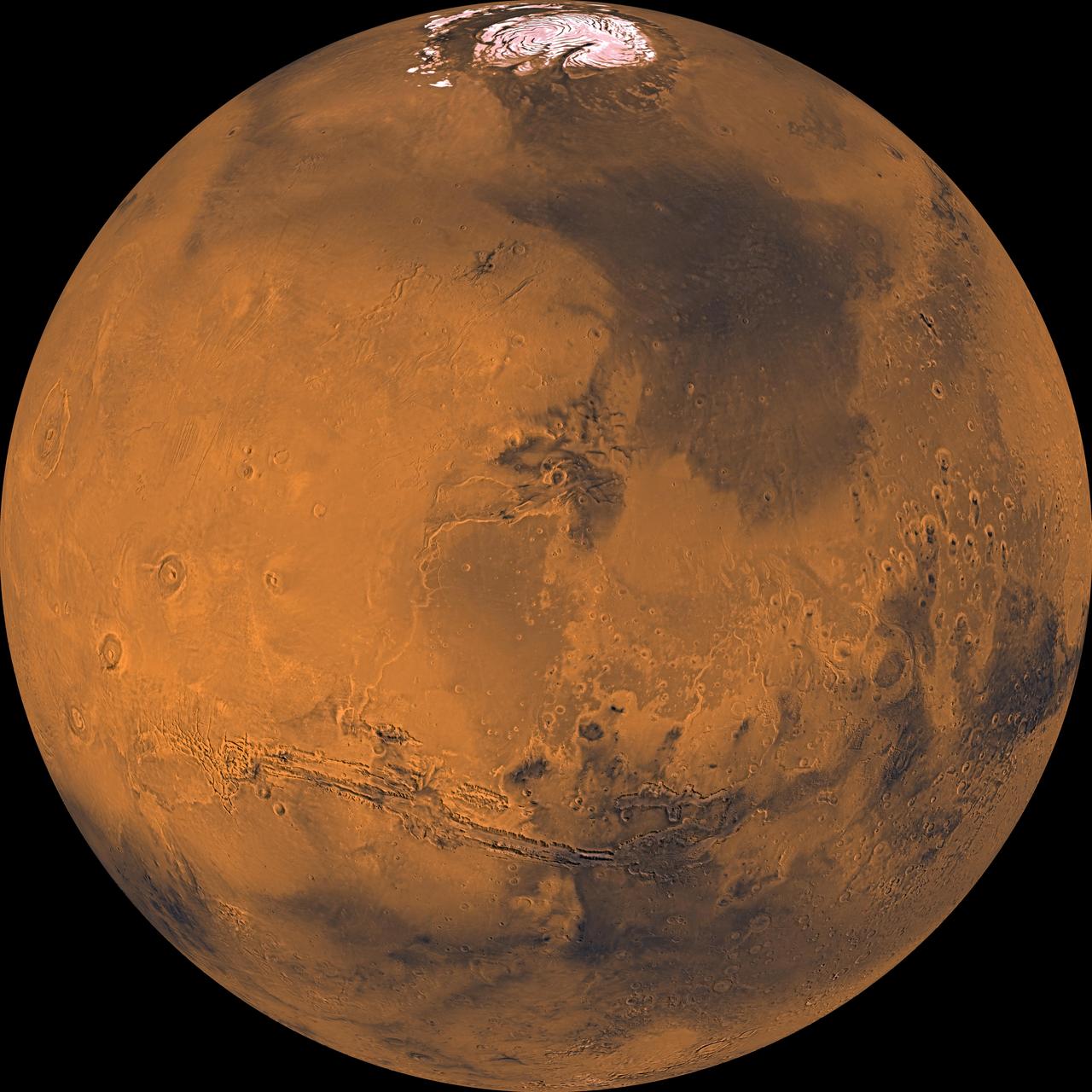
Mars is the red planet. It is red because its soil is full of rust. It has one of the highest mountains in the whole Solar System. Robot cars drive around on Mars looking for traces of life.
Jupiter
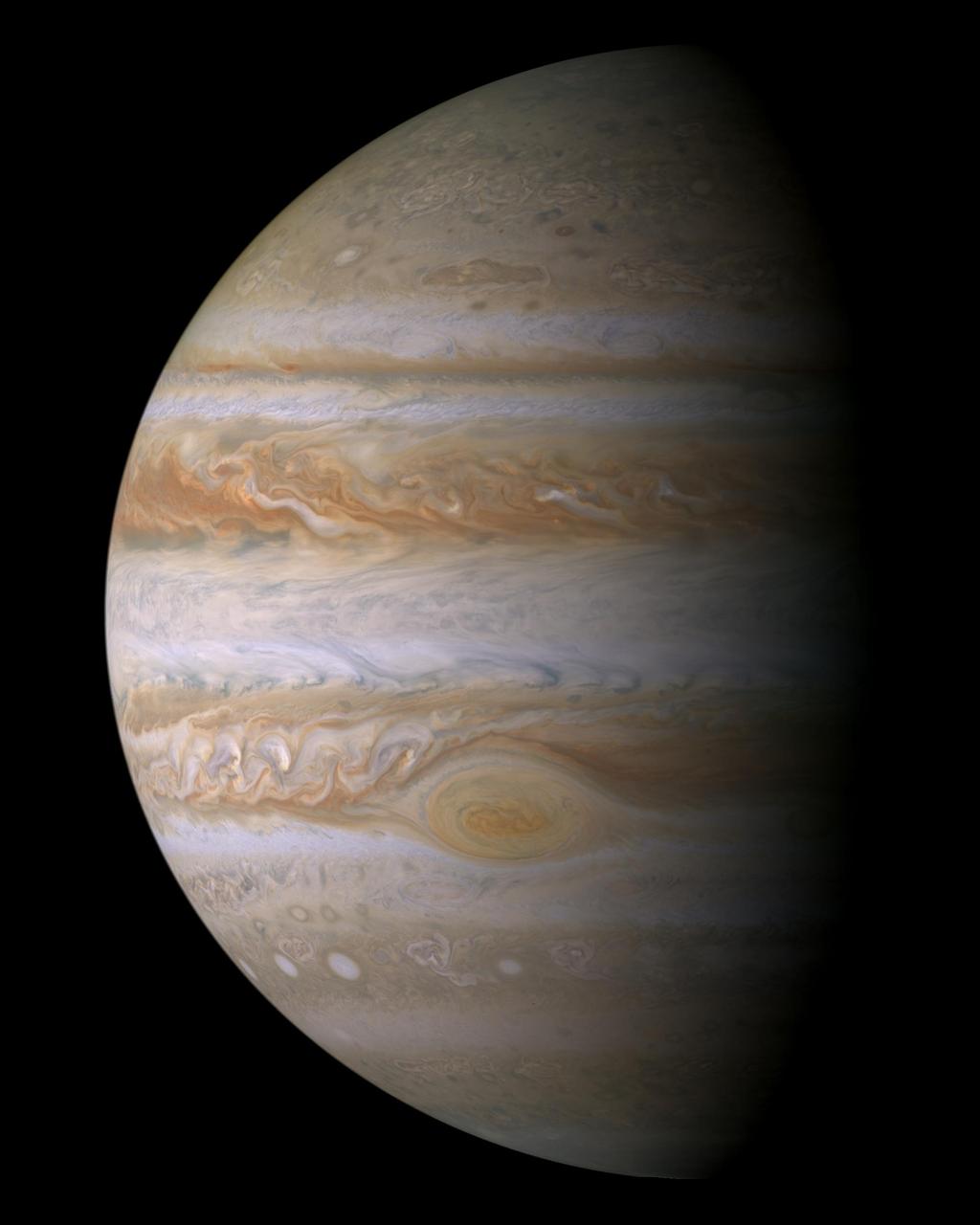
Jupiter is the biggest planet – all the other planets together would fit inside it. It has no solid ground; it is made of gas. Its red spot is a storm bigger than the whole Earth.
Saturn
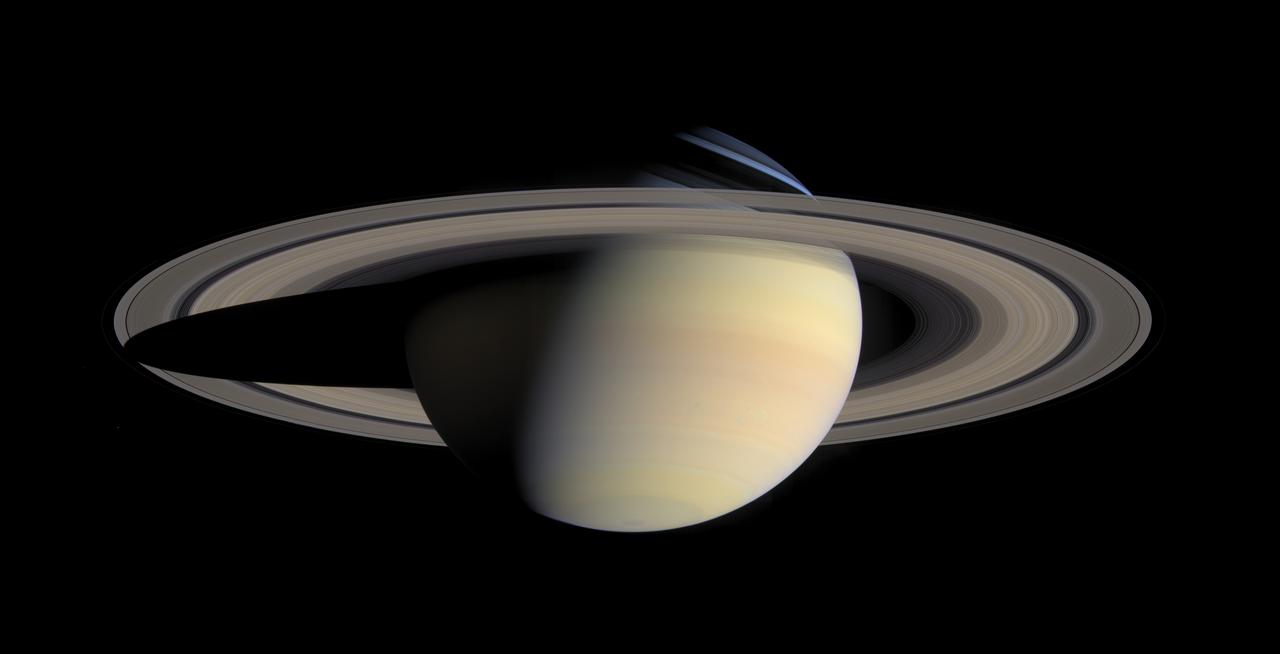
Saturn is the planet with the most beautiful rings. The rings are made of billions of chunks of ice – some as small as grains of sand, some as big as houses. Saturn is so light that it would float in a giant bathtub.
Uranus
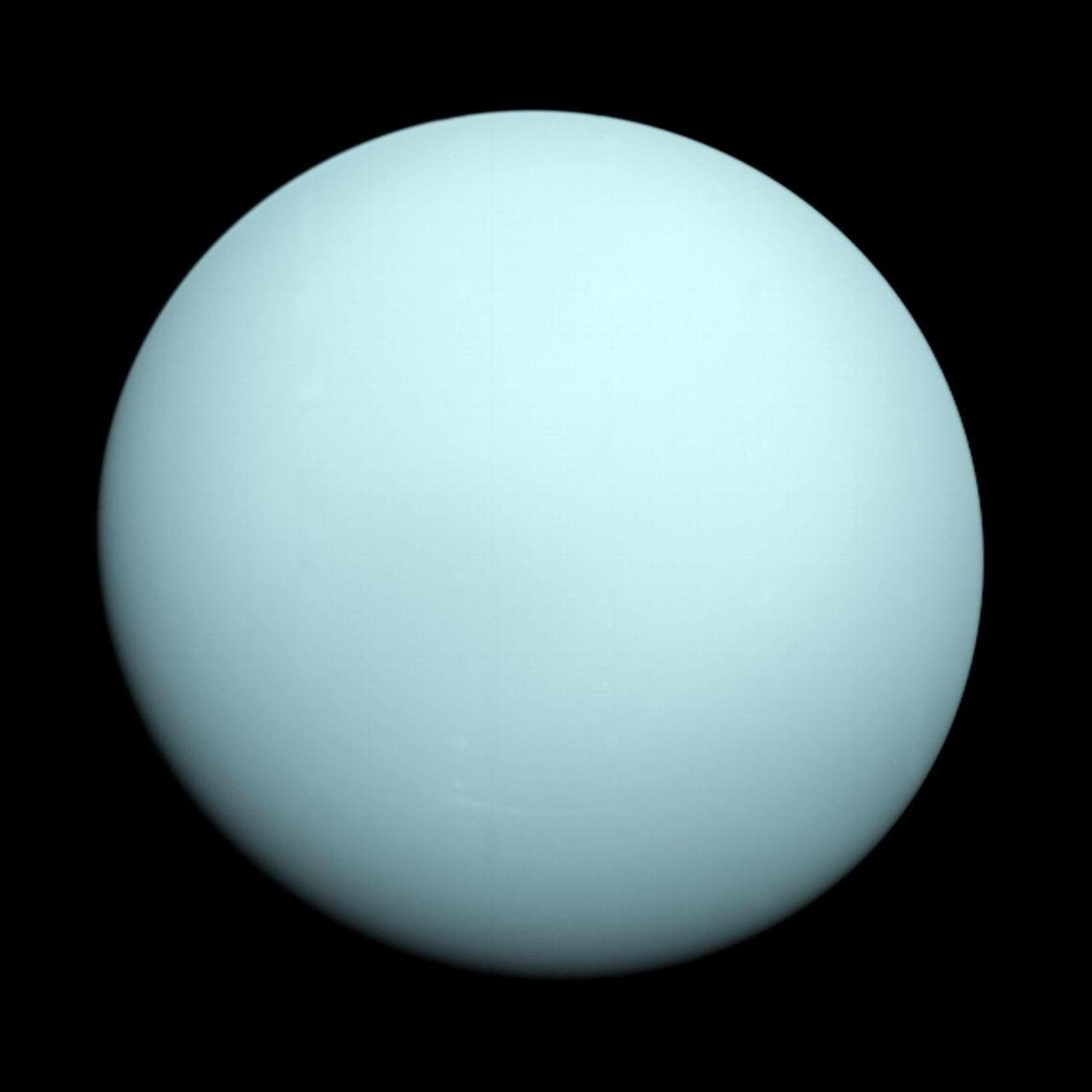
Uranus is a blue-green planet, far away from the Sun. What makes it special: it lies on its side and rolls around the Sun, so to speak. It is icy cold there.
Neptune
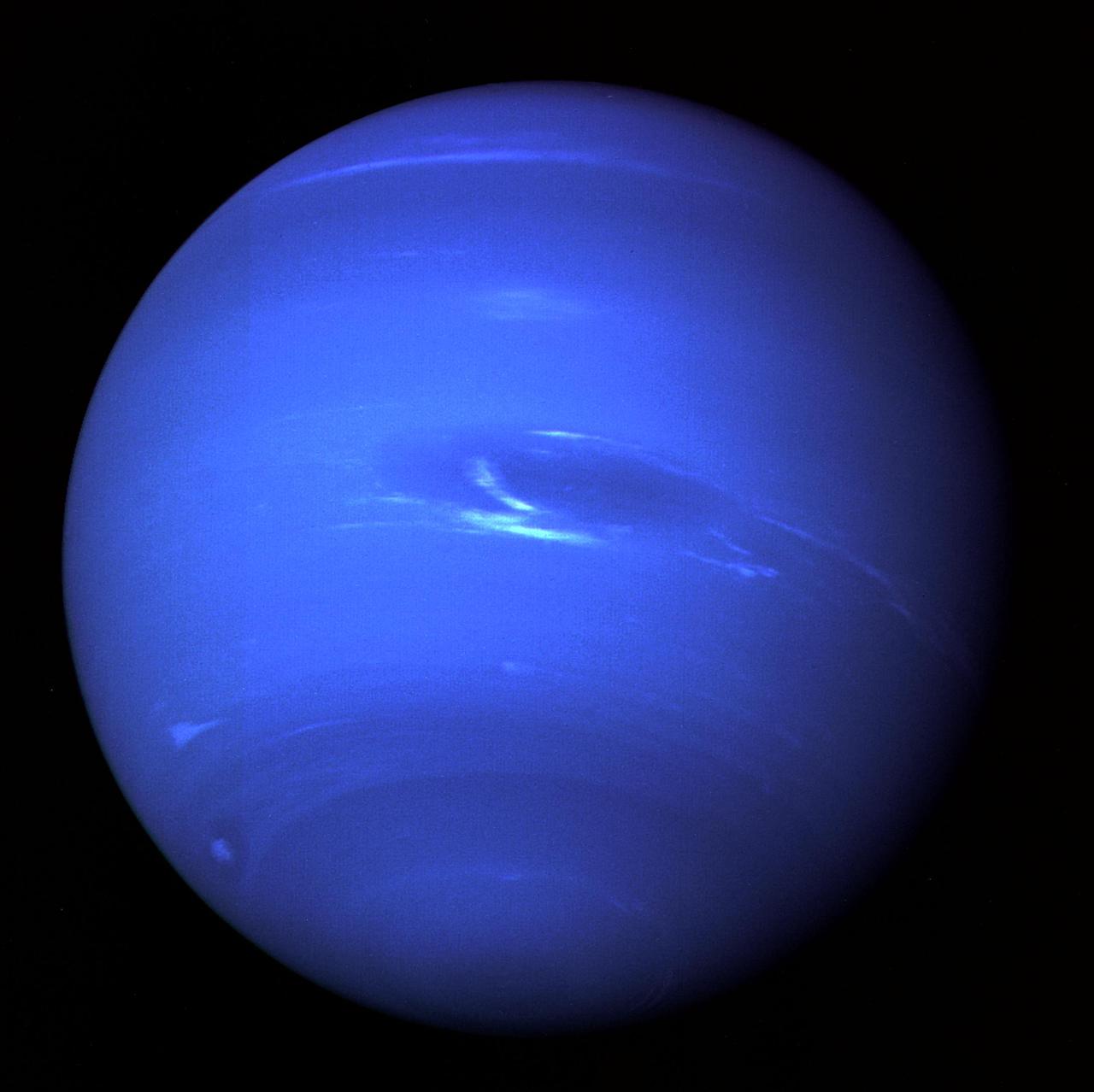
Neptune is the outermost planet and deep blue. The strongest winds in the Solar System blow there – much faster than any storm on Earth. It takes 165 years to go once around the Sun.
Moon
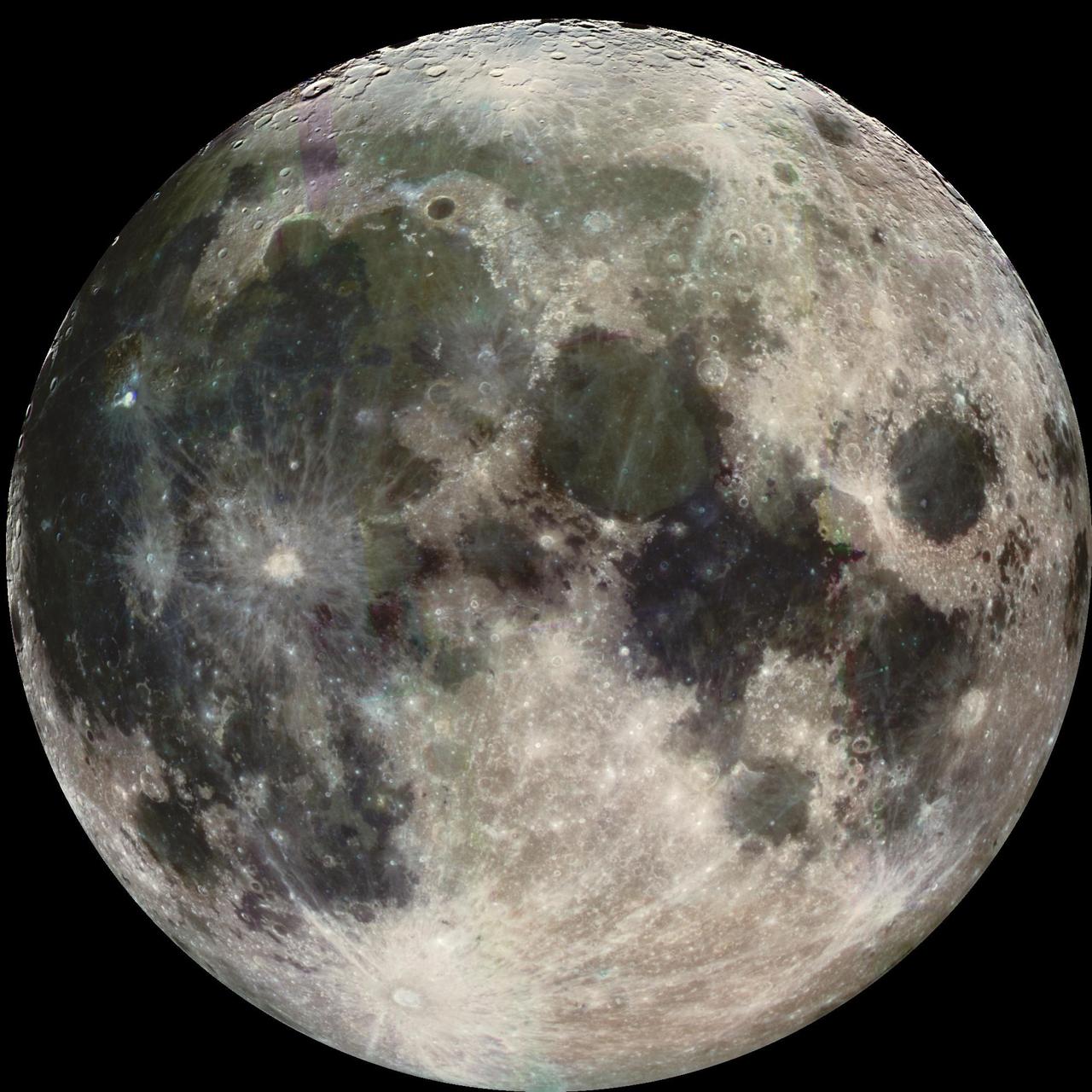
The Moon is our companion. It does not shine by itself; it is lit up by the Sun. That is why it sometimes looks round, sometimes like a half and sometimes like a crescent. 12 people have already walked around on it.
Space for kids: frequently asked questions
How many planets are there in the Solar System?
There are eight planets: Mercury, Venus, Earth, Mars, Jupiter, Saturn, Uranus and Neptune.
Why is Pluto no longer a planet?
Pluto is round like a planet, but far too small to clear its orbit of other objects. That is why astronomers have called it a dwarf planet since 2006.
Why does the Moon shine?
The Moon does not shine by itself. It reflects the light of the Sun. Depending on how the Sun, Earth and Moon line up, we see the whole lit side or just a crescent.
Why do we have day and night?
The Earth turns once around itself every 24 hours. The side facing the Sun has day, the other side night.
How long does sunlight take to reach Earth?
Sunlight takes about 8.3 minutes. When you look at the Sun, you see it as it was about eight minutes ago. Never look straight at the Sun!
Is there life on other planets?
So far no life has been found outside the Earth. Researchers look, for example, on Mars and on moons with water under the ice, such as Europa at Jupiter.
Try it now
In the 3D model you can fly through space yourself. Every celestial body has a button for simple language. And the quiz tests what you already know.
▶ Open the 3D model Quiz in the 3D model Solar System quiz
Books on this topic
Advertisement As an Amazon Associate I earn from qualifying purchases.
This site is free and has no banner ads. Here is how you can support it