Home › Planets › In the right order
The planets in order from the Sun
From the inside out: Mercury, Venus, Earth, Mars, Jupiter, Saturn, Uranus, Neptune. The four inner ones are rocky planets, Jupiter and Saturn are gas giants, Uranus and Neptune are ice giants. Pluto has been a dwarf planet since 2006.
Planets in order: names and pictures
| No. | Planet | Type | Distance from the Sun | Light takes | Orbital period |
|---|---|---|---|---|---|
| 1 | 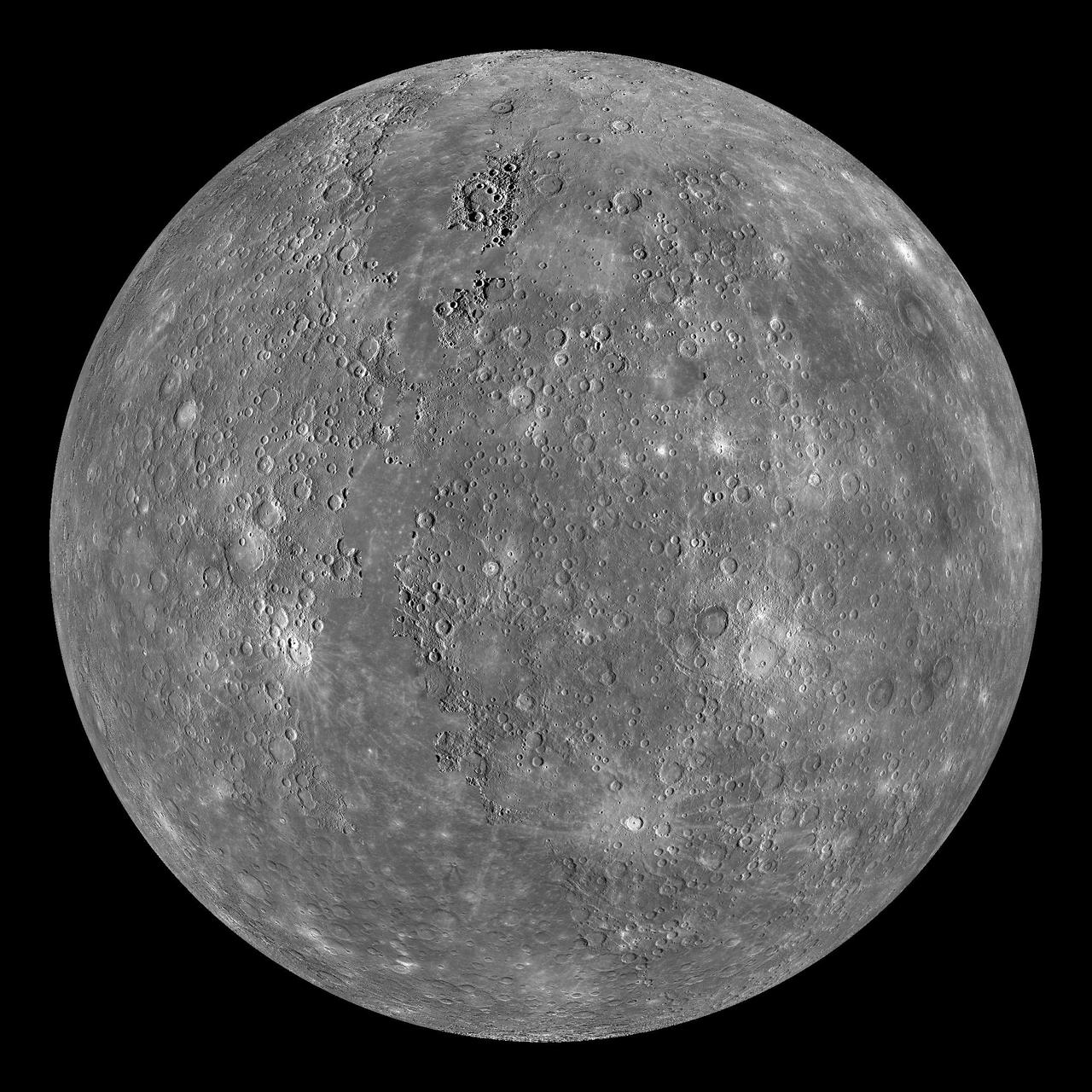 Mercury | Rocky planet | 57.9 million km 0.39 AU | 3.2 minutes | 88 days |
| 2 | 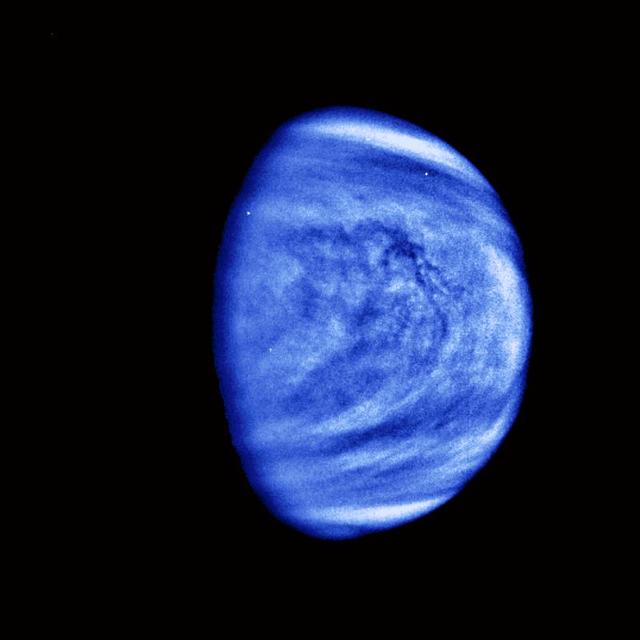 Venus | Rocky planet | 108.2 million km 0.72 AU | 6 minutes | 224.7 days |
| 3 | 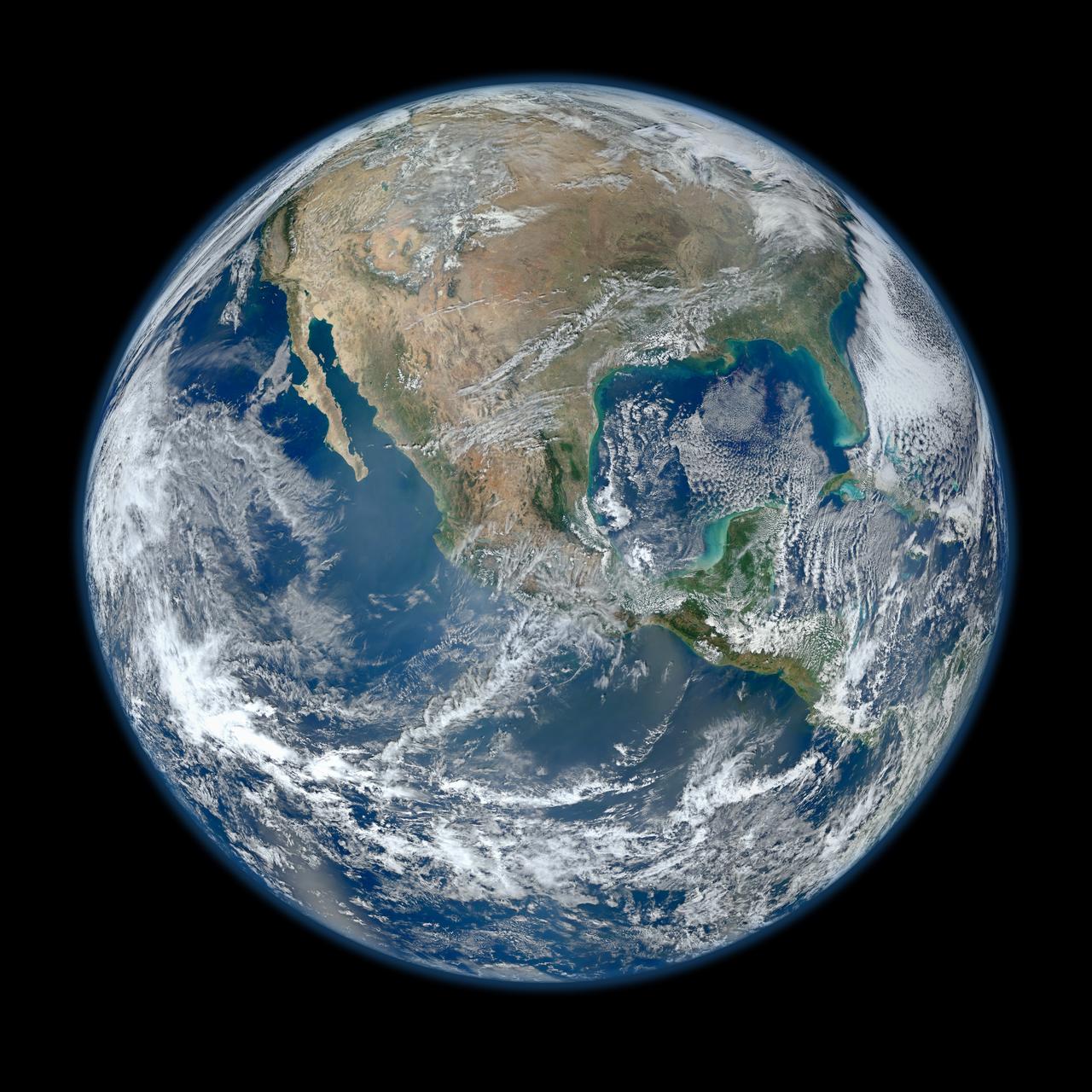 Earth | Rocky planet | 149.6 million km 1 AU | 8.3 minutes | 365.3 days |
| 4 | 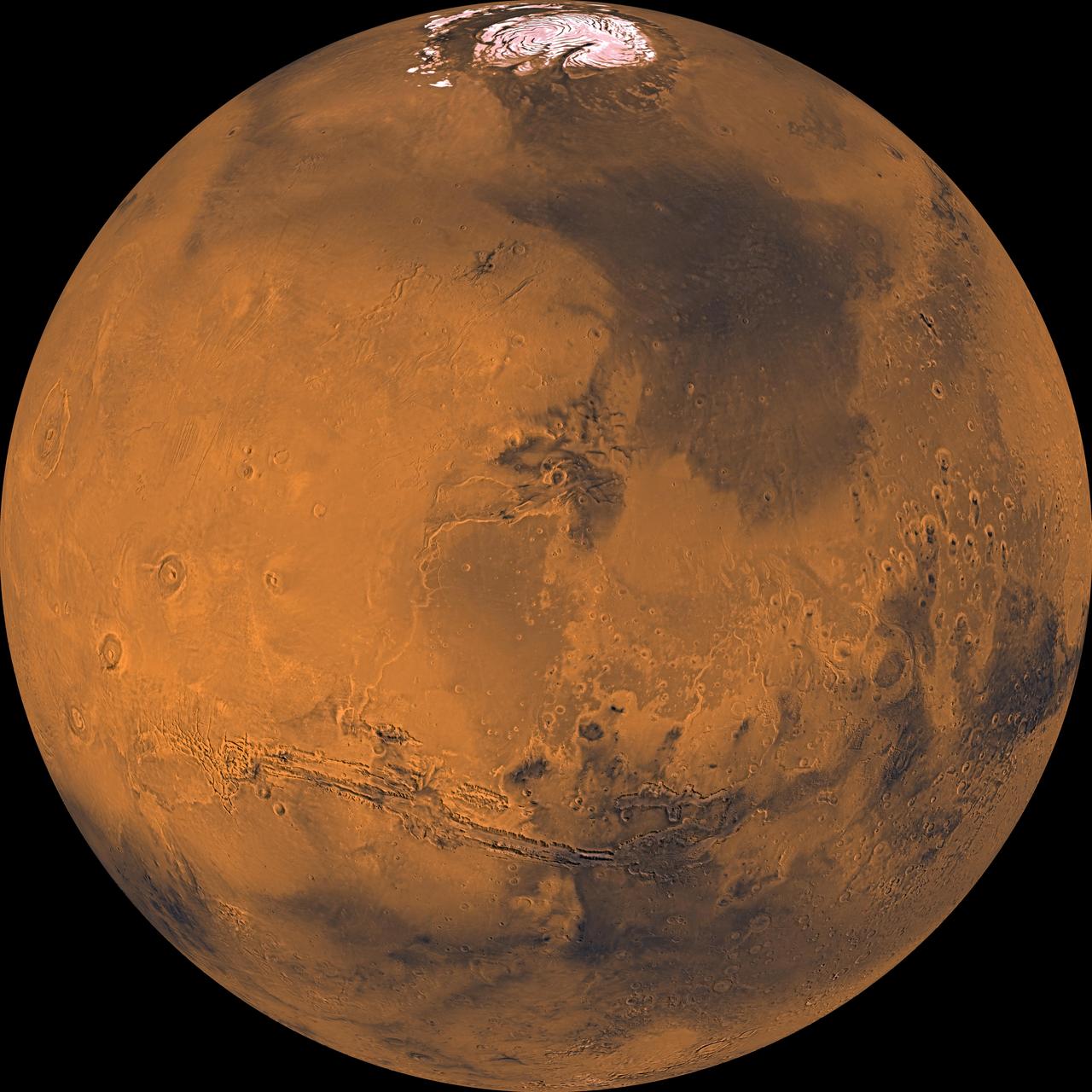 Mars | Rocky planet | 227.9 million km 1.52 AU | 12.7 minutes | 687 days |
| 5 | 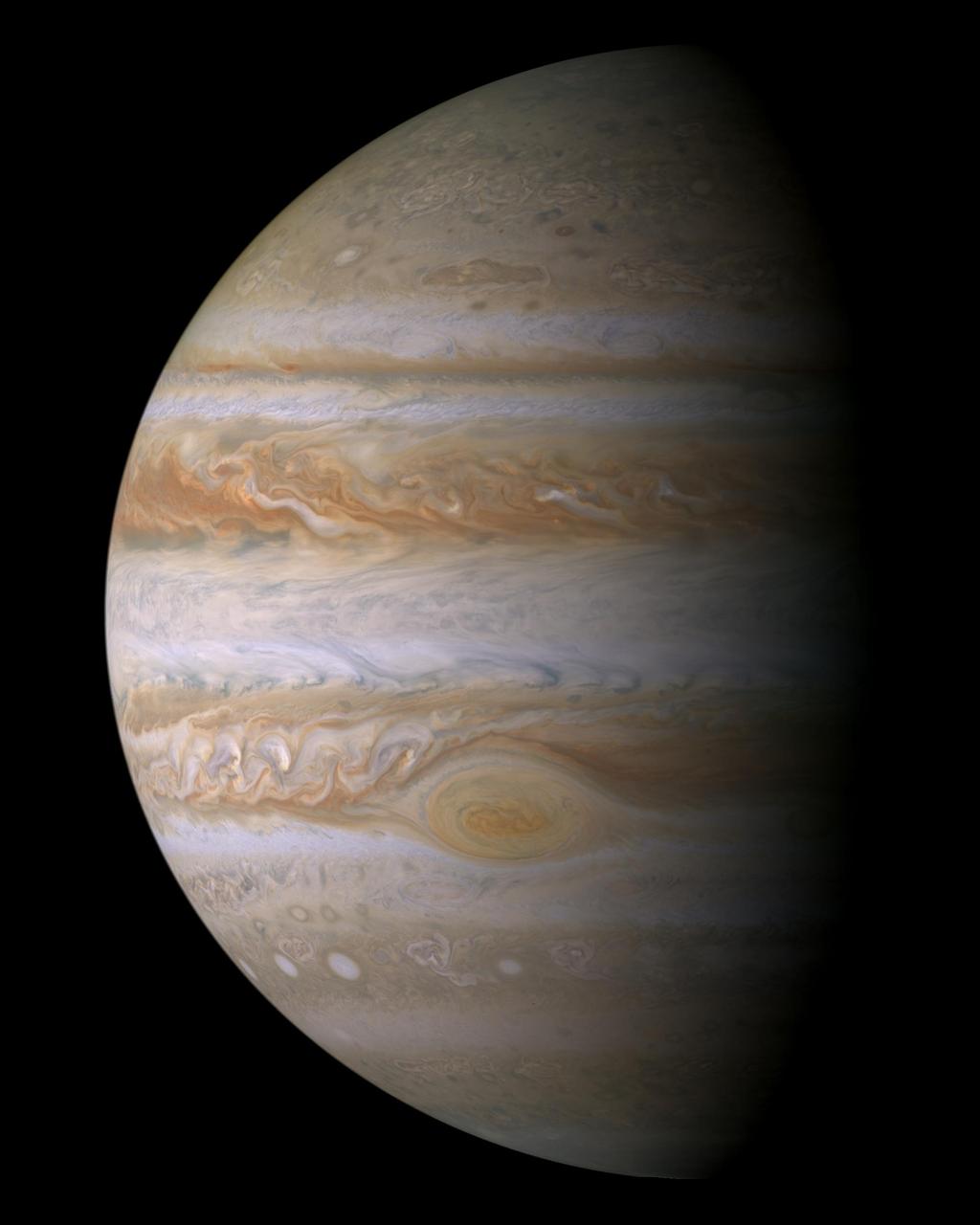 Jupiter | Gas giant | 778.5 million km 5.2 AU | 43.3 minutes | 11.9 years |
| 6 | 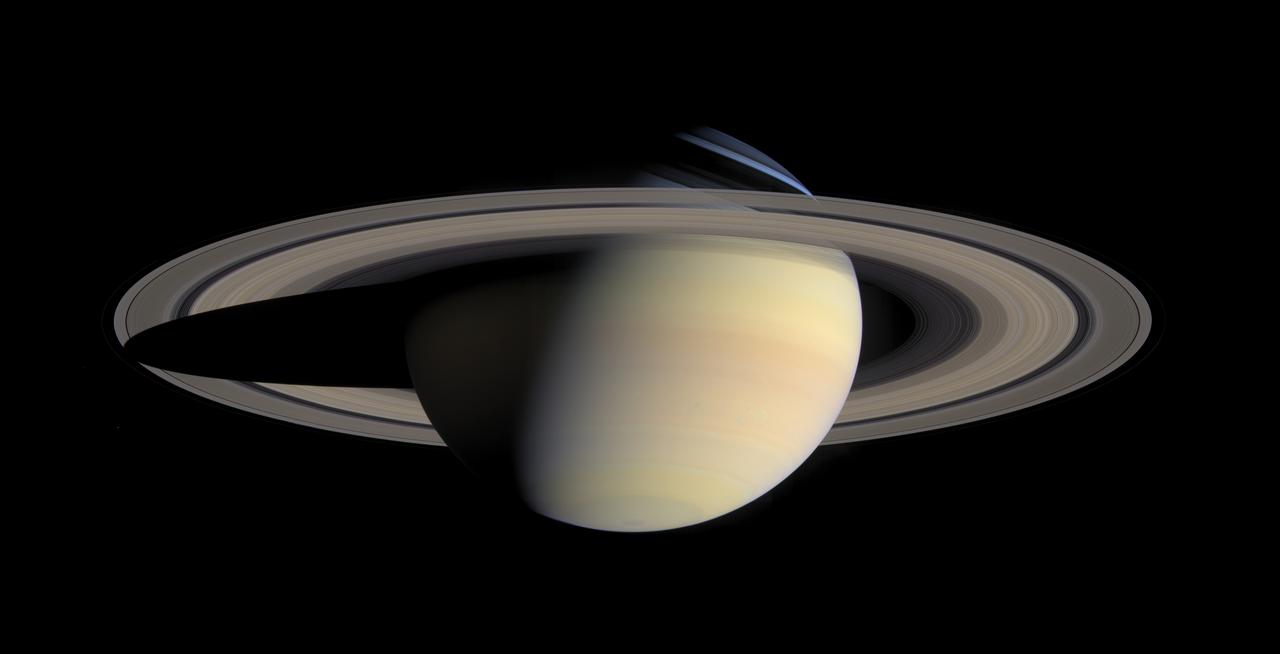 Saturn | Gas giant | 1,434 million km 9.59 AU | 79.7 minutes | 29.4 years |
| 7 | 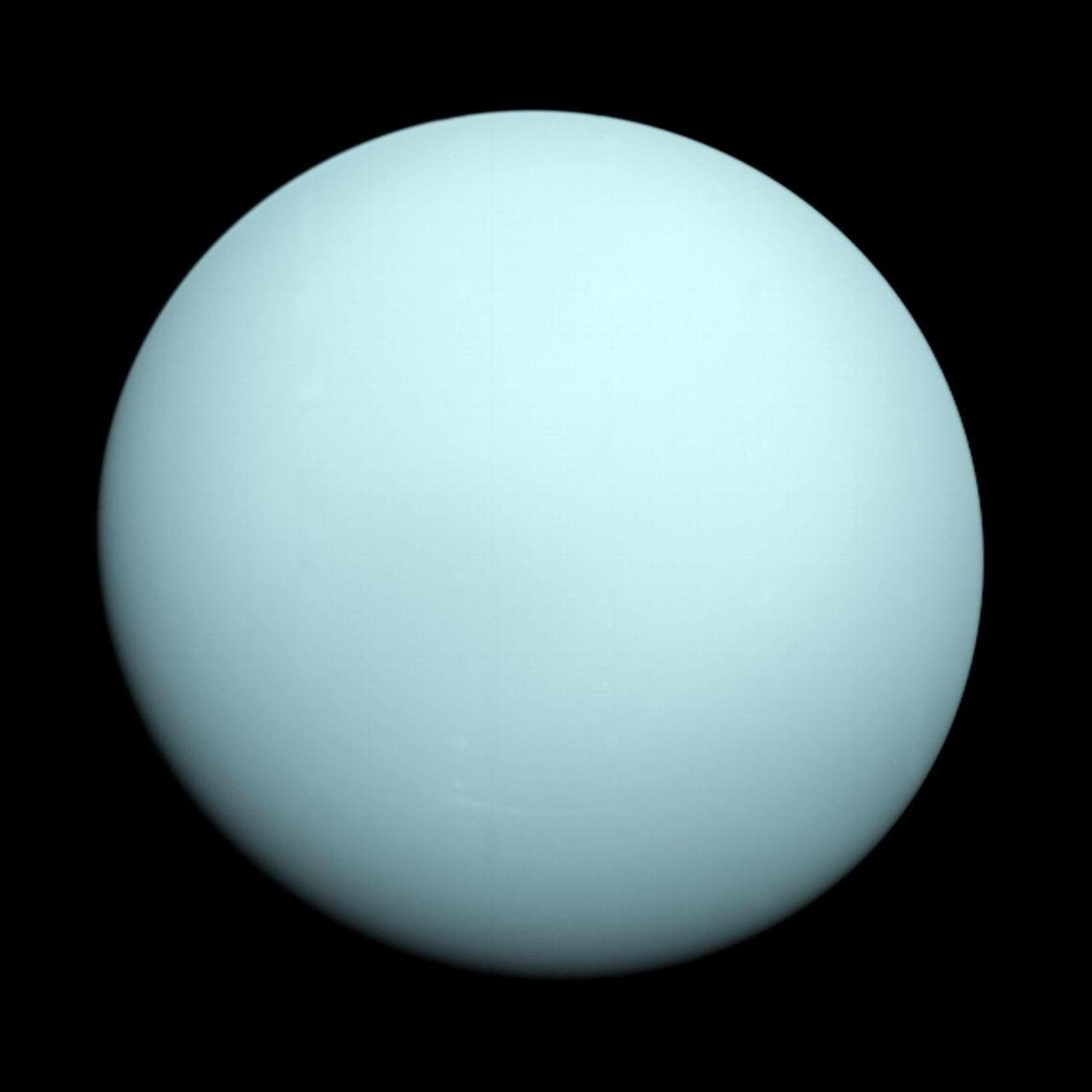 Uranus | Ice giant | 2,871 million km 19.19 AU | 2.7 hours | 83.7 years |
| 8 | 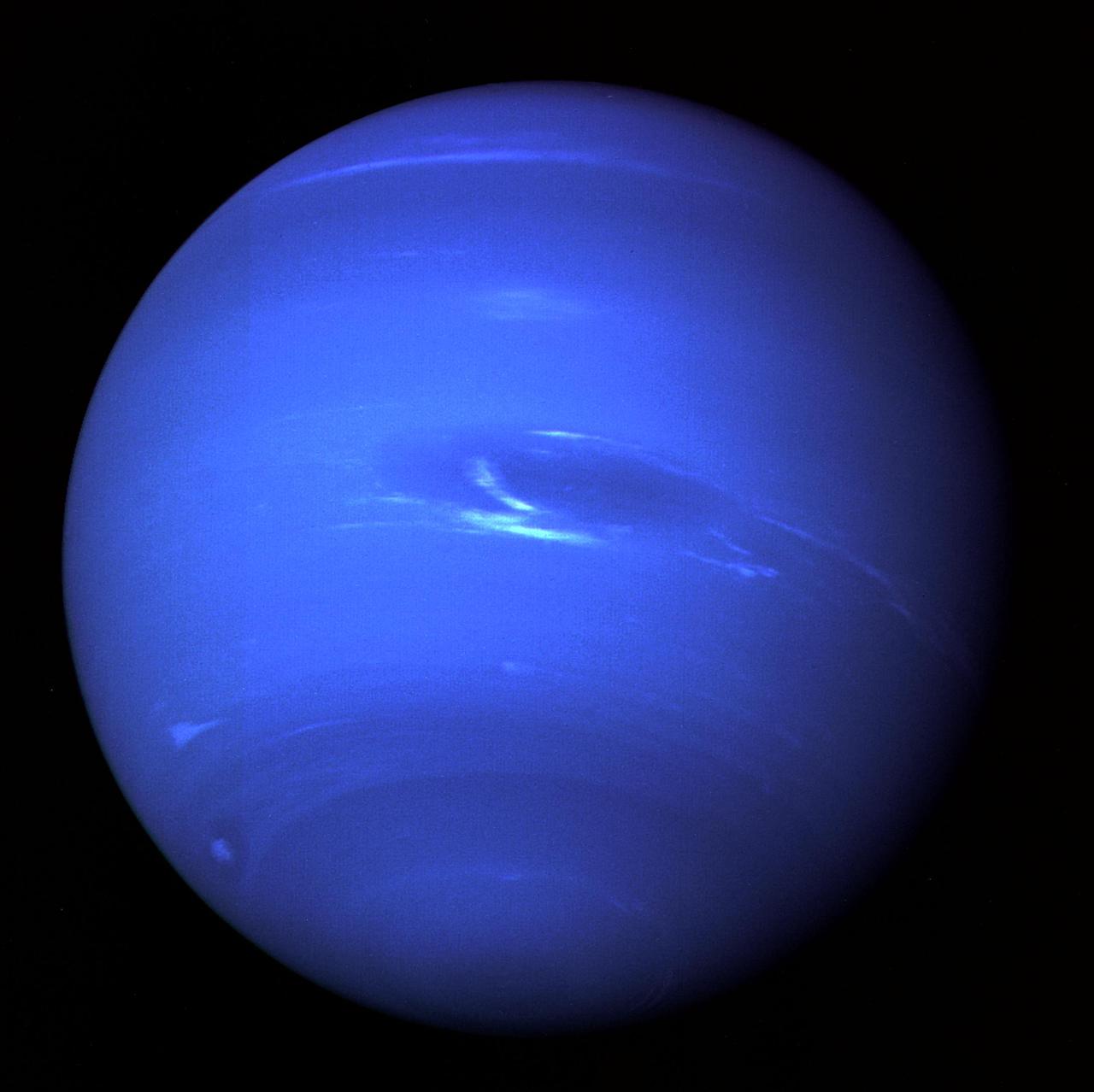 Neptune | Ice giant | 4,495 million km 30.05 AU | 4.2 hours | 163.7 years |
Planet distance from the Sun: the planet closest to the Sun, Mercury, is 57.9 million km from the Sun on average, the outermost, Neptune, 4.5 billion km. The further out you go, the bigger the gap between two planetary orbits.
AU = astronomical unit, the average distance of the Earth from the Sun (about 150 million km).
Planet mnemonic: a memory aid for the order
The first letters of the well-known mnemonic are the first letters of the planets, from the inside out:
My Very Educated Mother Just Served Us Noodles.
My = Mercury, Very = Venus, Educated = Earth, Mother = Mars, Just = Jupiter, Served = Saturn, Us = Uranus, Noodles = Neptune. A sentence of your own works even better: make one up with the same eight initials M, V, E, M, J, S, U, N.
Planet sizes: sorted by diameter
Jupiter is 139,820 km across, more than 10 times as wide as the Earth. Mercury is the smallest planet at 4,879 km, smaller than the moons Ganymede and Titan.
| Rank | Planet | Diameter | compared with Earth | |
|---|---|---|---|---|
| 1 | Jupiter | 139,820 km | 11× | |
| 2 | Saturn | 116,460 km | 9.14× | |
| 3 | Uranus | 50,724 km | 3.98× | |
| 4 | Neptune | 49,244 km | 3.86× | |
| 5 | Earth | 12,742 km | 1× | |
| 6 | Venus | 12,104 km | 0.95× | |
| 7 | Mars | 6,779 km | 0.53× | |
| 8 | Mercury | 4,879 km | 0.38× |
Frequently asked questions about the planets
How many planets does the Solar System have?
The Solar System has eight planets. Pluto counted as the ninth planet until 2006 and has been classed as a dwarf planet since the International Astronomical Union's decision.
Which planet is closest to the Sun?
Mercury is the planet closest to the Sun, at an average of 57.9 million km.
Which is the largest and which the smallest planet?
Jupiter is the largest planet (139,820 km across) and Mercury the smallest (4,879 km).
Which planet is the hottest?
Venus is the hottest planet, at about 464 °C on average, even though Mercury is closer to the Sun. Its dense atmosphere traps the heat.
Which planets can you see with the naked eye?
Mercury, Venus, Mars, Jupiter and Saturn are visible to the naked eye. Uranus and Neptune need binoculars or a telescope.
How far is it to the outermost planet?
Neptune is 4.5 billion km from the Sun on average. Sunlight takes about 4.2 hours to get there.
Read on
- All planets with fact files
- The five dwarf planets
- The Solar System as a 3D model
- The Solar System for kids
- Solar System quiz with answers
▶ See all the planets in the 3D model
Books on this topic
Advertisement As an Amazon Associate I earn from qualifying purchases.
This site is free and has no banner ads. Here is how you can support it